The Eastern Himalayan Flyway: Birding in Zuluk and Payong
In the mist-shrouded heights of East Sikkim, the Silk Route villages of Zuluk and Payong offer an intimate birding experience. This region is a sanctuary for some of the most sought-after avian species in the Eastern Himalayas, set against a backdrop of "mesmerizing landscapes" and "diverse flora".
1. Zuluk: The Gateway to the High Passes
Located at an altitude of approximately 9,400 feet, Zuluk is a hilltop village that serves as a base for exploring the higher reaches of the ancient Silk Route. The winding "Zig-Zag" roads provide unique vantage points for spotting birds at different altitudinal tiers.
-
Key Species:
-
Satyr Tragopan: The "Holy Grail" for many birders, this elusive crimson pheasant is often spotted in the dense bamboo and rhododendron thickets near Zuluk and Lungthung.
-
Himalayan Monal: Frequently seen at higher elevations like Gnathang Valley, its iridescent plumage stands out against the rugged terrain.
-
Blood Pheasant: Often found in small groups near the snowline, their distinct red markings make them a spectacular sight during the winter and early spring.
-
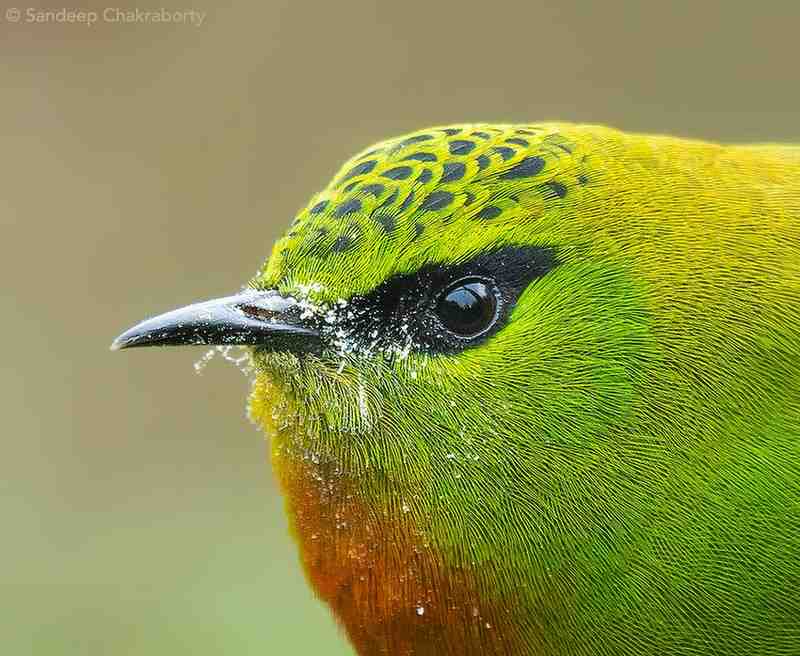
Fire-tailed Myzornis: A stunning, bright green bird with a fire-red tail, typically found in the shrubby vegetation of the high hills.
-
2. Payong: The Subtropical Haven
Payong, situated at a lower elevation compared to Zuluk, offers a different ecological profile. This area is characterized by lush subtropical forests and terraced farms, attracting a wider variety of "diverse fauna" including colorful songbirds and raptors.
-
Key Species:
-
Broadbills: Look for the Long-tailed Broadbill with its distinctive yellow-and-black helmet and bright green body.
-
Sultan Tit: A striking bird with a vibrant yellow crest and dark plumage, often seen moving in active foraging parties.
-
Sunbirds: The Mrs. Gould’s Sunbird and Fire-tailed Sunbird frequent the flowering trees, adding flashes of brilliant color to the forest canopy.
-
Laughingthrushes: Payong is excellent for spotting various species like the White-crested and Chestnut-crowned Laughingthrush, known for their complex and boisterous calls.
-
3. The Cultural Landscape of East Sikkim
Birding in this region is deeply tied to the "rich culture" of the local communities. The hospitality of the Himalayan homestays provides a warm contrast to the crisp mountain air.
-
The Silk Route Heritage: Travelers can explore the history of the ancient trade route while following birding trails that pass through quiet hamlets and prayer-flag-strewn ridges.
-
Indigenous Guides: Utilizing local naturalists is essential here; their ability to identify calls in the dense mist is key to finding shy species like the Ward’s Trogon.
4. Planning Your Expedition
-
The "Mesmerizing" Backdrop: Clear mornings offer views of Kanchenjunga, providing a majestic setting for sunrise birding sessions.
-
Best Season:
-
Spring (March–May): Perfect for the rhododendron bloom and seeing pheasants in their full breeding displays.
-
Pre-Winter (October–November): Offers the clearest skies and a chance to see altitudinal migrants moving to lower valleys.
-