The Fusion of Heritage & Habitat: Asia’s Cultural Safaris
In Asia, wildlife and culture are inseparable. The most profound luxury experiences are those that weave the region's ancient spiritual traditions and indigenous wisdom into the tapestry of the natural world.
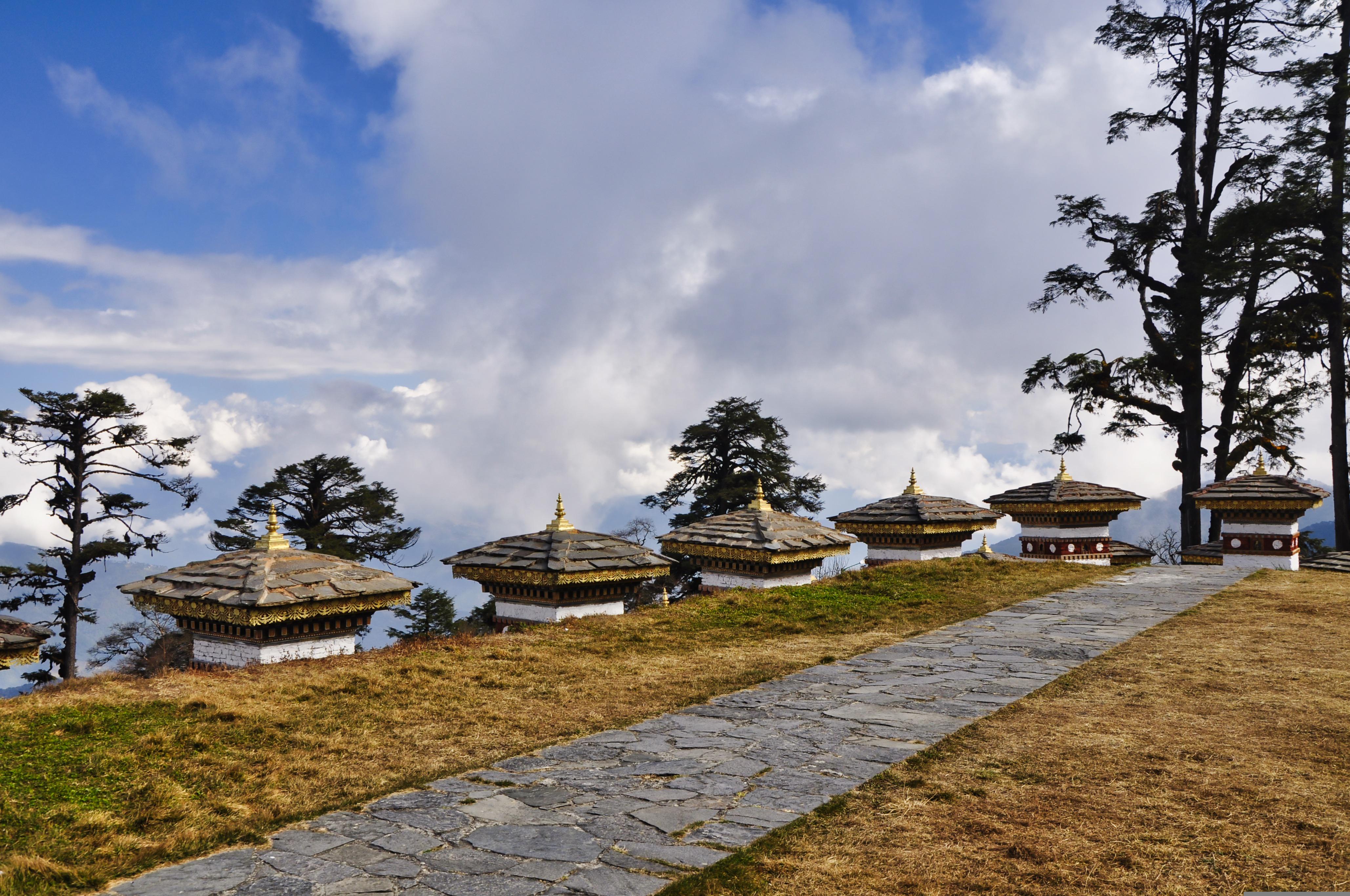
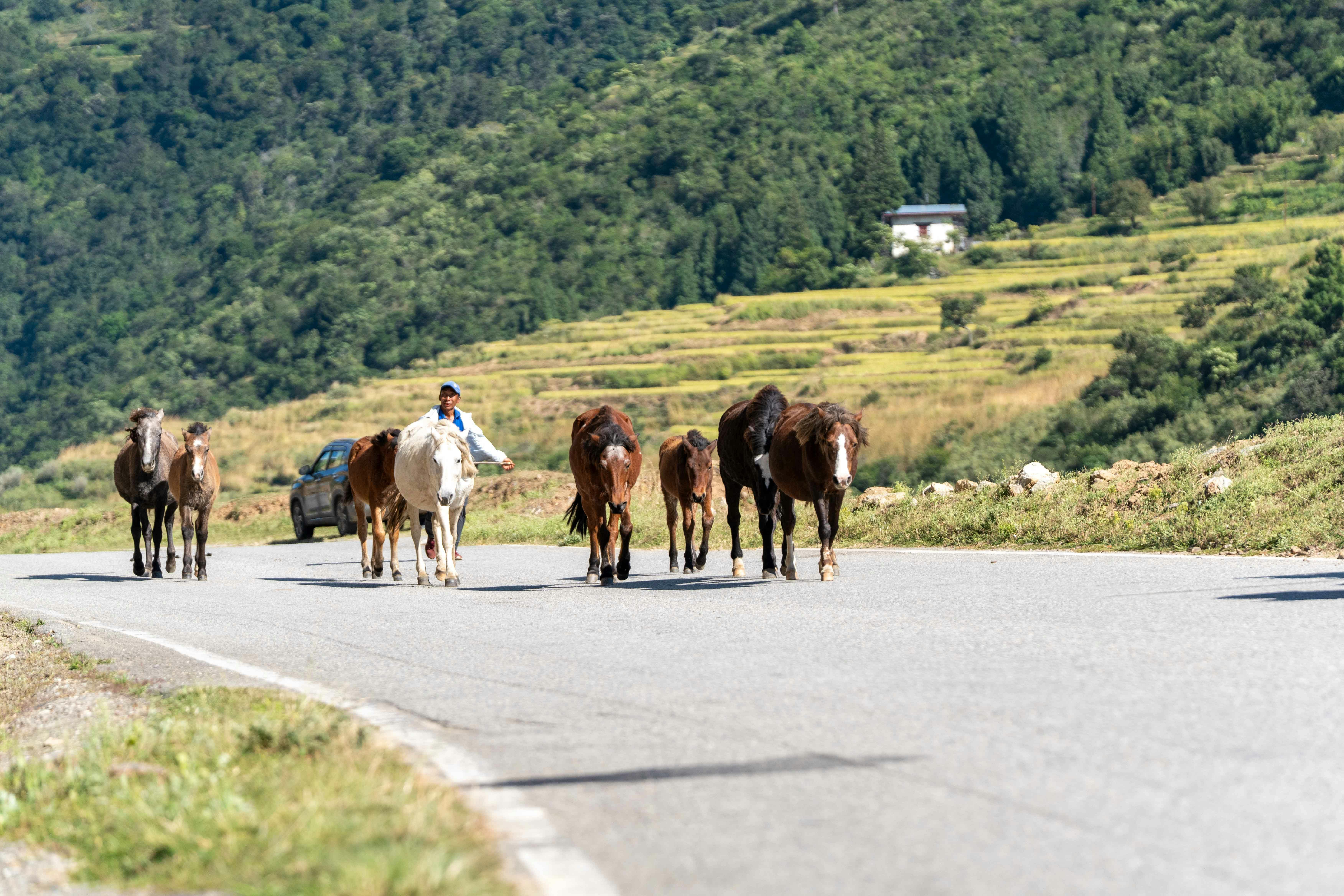
1. The Land of the Thunder Dragon: Bhutan
Bhutan is perhaps the only place on Earth where "High Value, Low Impact" tourism is a national philosophy. Here, nature is protected not just for ecology, but as a pillar of Gross National Happiness.
-
Cultural Immersion: Visit the iconic Tiger’s Nest (Paro Taktsang) monastery, clinging to a cliffside 3,000 feet above the valley floor. Engage with monks at local Dzongs (fortresses) to understand the Buddhist reverence for all sentient beings.
-
Wildlife: Track the rare Black-necked Crane in the Phobjikha Valley or the elusive Golden Langur in the royal parks.
-
Stay: Six Senses Bhutan offers a "circuit" of five lodges across different valleys, each designed to reflect the local architecture and spirituality, from "Stone Ruins" in Bumthang to "Flying Farmhouses" in Punakha.
2. Living with the Wild: The Rabari of Rajasthan, India
In the Jawai hills, a unique cultural phenomenon exists: the semi-nomadic Rabari herdsmen have lived alongside wild leopards for centuries without conflict.
-
Cultural Immersion: Spend an afternoon walking with a Rabari shepherd. Their striking red turbans and deep-rooted belief that leopards are guardians of their local temples offer a masterclass in peaceful coexistence.
-
Wildlife: Experience "Granite Safari" drives to spot leopards lounging on ancient rock formations, often just meters away from village footpaths.
-
Stay: SUJÁN Jawai provides a seamless blend of sophisticated canvas tents and authentic cultural exchange, supporting local schools and conservation initiatives.
3. The Khmer Heartland: Cambodia’s Northern Plains
Beyond the majestic spires of Angkor Wat lies the Beung Mealea and the Kulay Promtep Wildlife Sanctuary, where luxury travel supports the revival of both nature and village life.
-
Cultural Immersion: Explore remote, jungle-enveloped temples that see a fraction of the crowds of Siem Reap. Engage with the Ibis Rice farmers—local communities who are paid a premium to farm organically in exchange for protecting the nesting sites of the Giant Ibis.
-
Wildlife: Spot the Giant Ibis (Cambodia’s national bird) and the White-shouldered Ibis, two of the rarest birds on the planet.
-
Stay: Shinta Mani Wild, designed by Bill Bensley, is a radical "luxury-as-intervention" camp where guests arrive via a 400-meter zipline over a waterfall. It combines high-glamour design with a rigorous anti-poaching program.
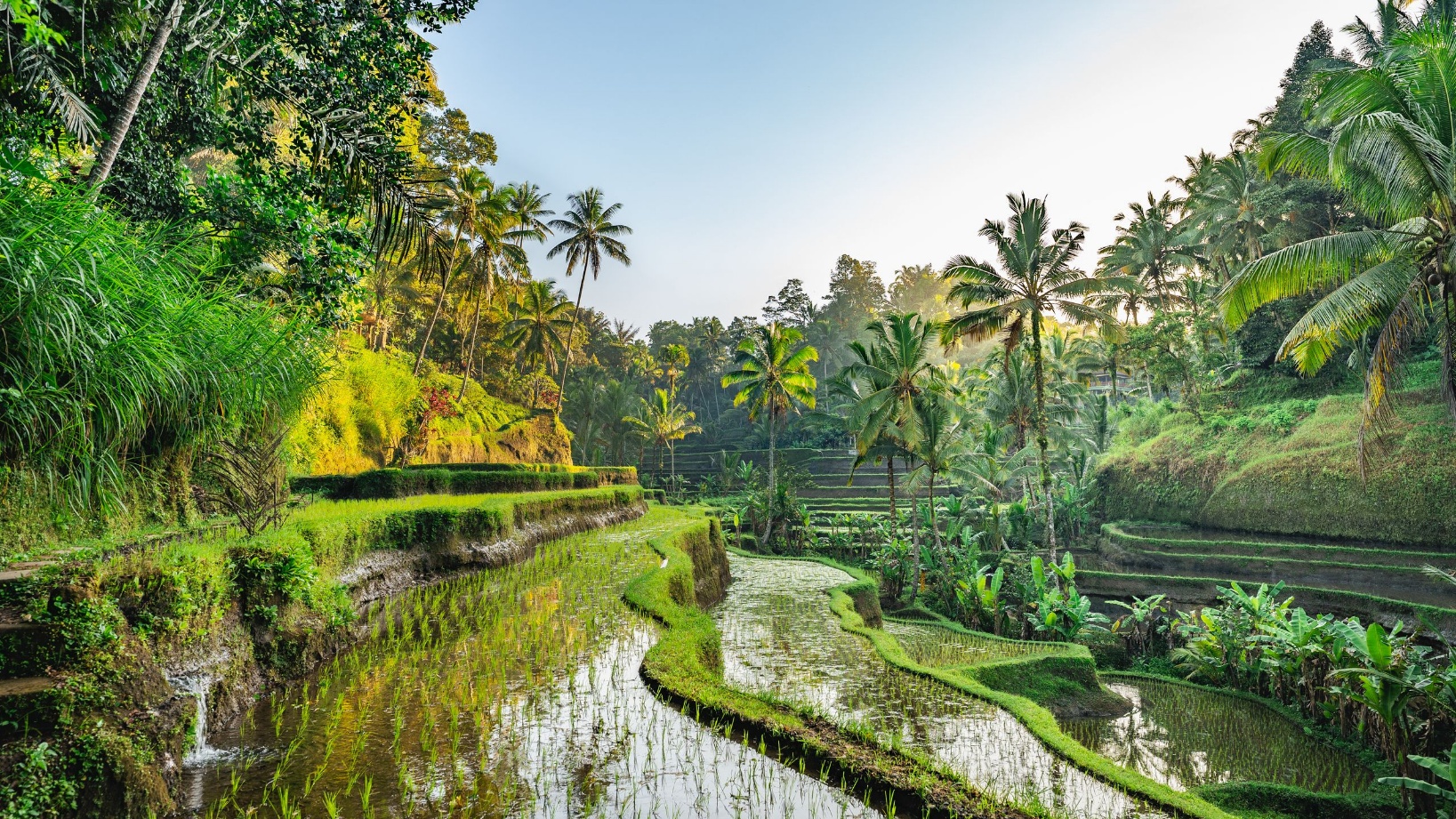
4. Spiritual Jungles: Bali’s Sacred Landscapes
In Bali, the Tri Hita Karana philosophy (harmony between humans, nature, and the divine) dictates the rhythm of life.
-
Cultural Immersion: Participate in a Melukat (water purification) ceremony at a hidden jungle temple. Witness the intricate Subak irrigation system, a UNESCO World Heritage site that maintains the lush emerald rice terraces.
-
Wildlife: Visit the West Bali National Park, home to the critically endangered Bali Starling, a bird of stunning snow-white plumage and vivid blue eye patches.
-
Stay: Capella Ubud, set within a dense rainforest, offers ultra-luxury tented retreats that pay homage to the early European explorers of the 1800s, complete with indoor/outdoor salt-water pools.
Why Culture Completes the Journey
Luxury in these regions isn't just about the thread count of the linens; it’s about access and insight. It’s the private audience with a village elder, the blessing from a high lama, or the naturalist who can explain the medicinal properties of a jungle vine used by local tribes for millennia.
Bali Indonesia
Bhutan